Camera law and privacy in the Netherlands, in plain English
Filming your own property is allowed, but Dutch and EU privacy rules set limits on capturing public space, neighbours and, for businesses, staff and customers. Here is what actually applies, explained clearly, so your cameras protect you without crossing a line. General guidance, not legal advice.
- GDPR and Dutch law
- Home and business
- Public space limits
- Signage rules
- Explained clearly
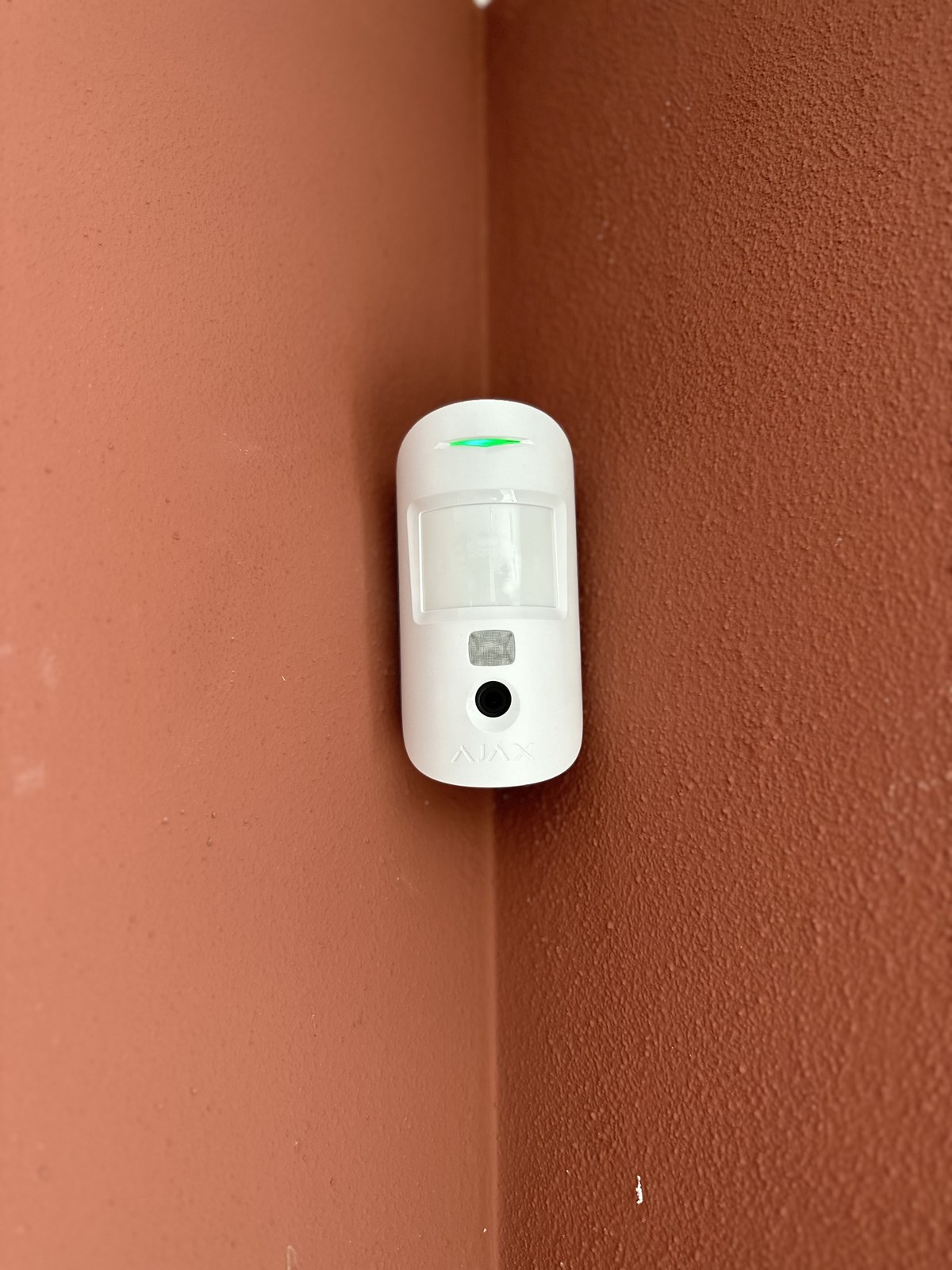
What you may film, and what you may not
At home you may film your own property: your door, garden, driveway and parking spot. The moment a camera structurally captures public space, the pavement, the street, or a neighbour’s garden, you enter the territory of the GDPR (in Dutch, the AVG) and you need to keep that to a minimum.
In practice that means aiming and masking cameras so they cover what is yours and little else. We set this up for you, using privacy masking where a camera would otherwise see too much, so you are protected and your neighbours are respected.
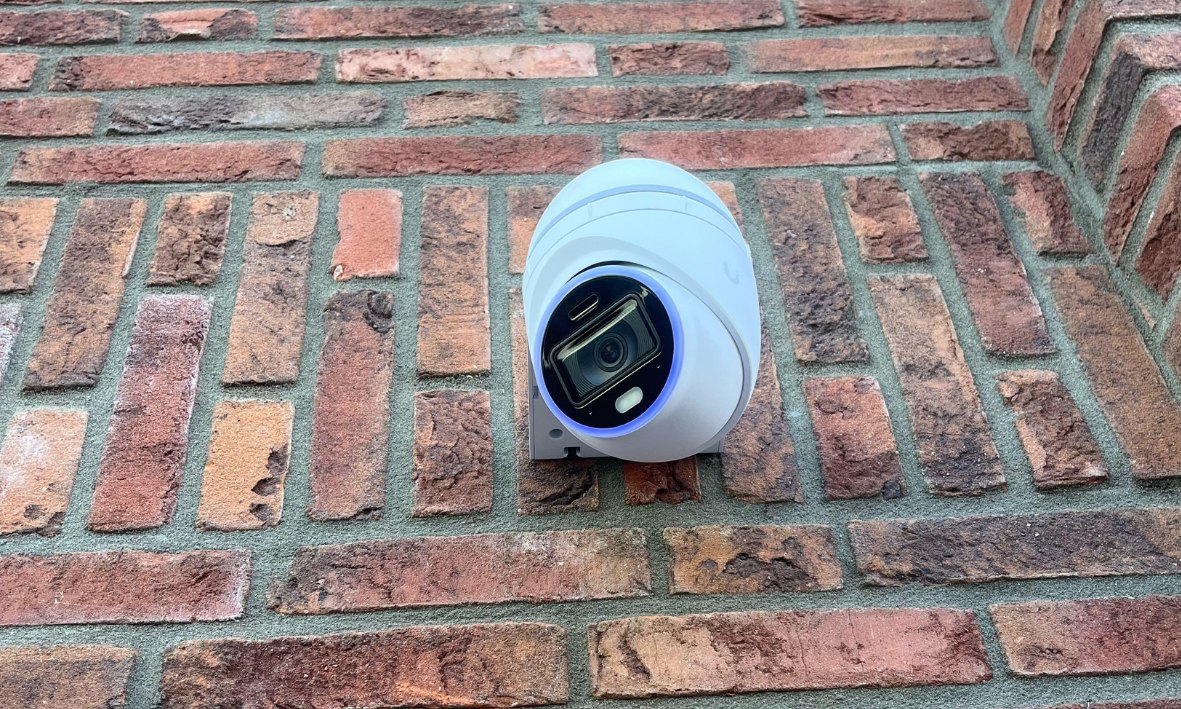
Home and business, side by side
Guidance, not legal advice
This page explains the rules in plain English so you understand the shape of them. It is general guidance, not legal advice. For a specific situation, the Dutch Data Protection Authority (Autoriteit Persoonsgegevens) is the authority, and we are happy to set your system up to stay well within the lines.
Ask us about your situation →Aimed and masked to stay within the rules
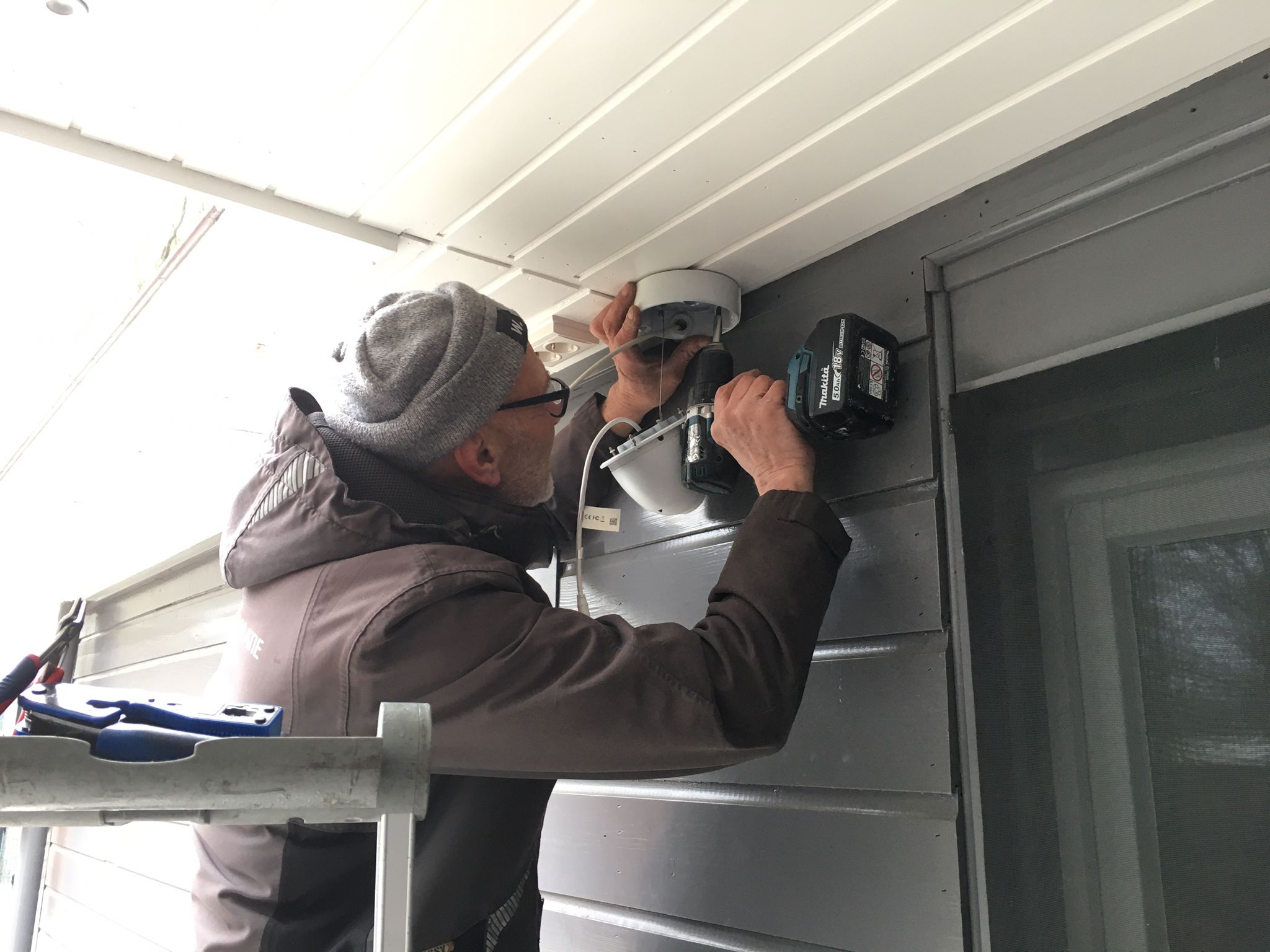
We place and mask cameras so they cover what is yours, and little else.
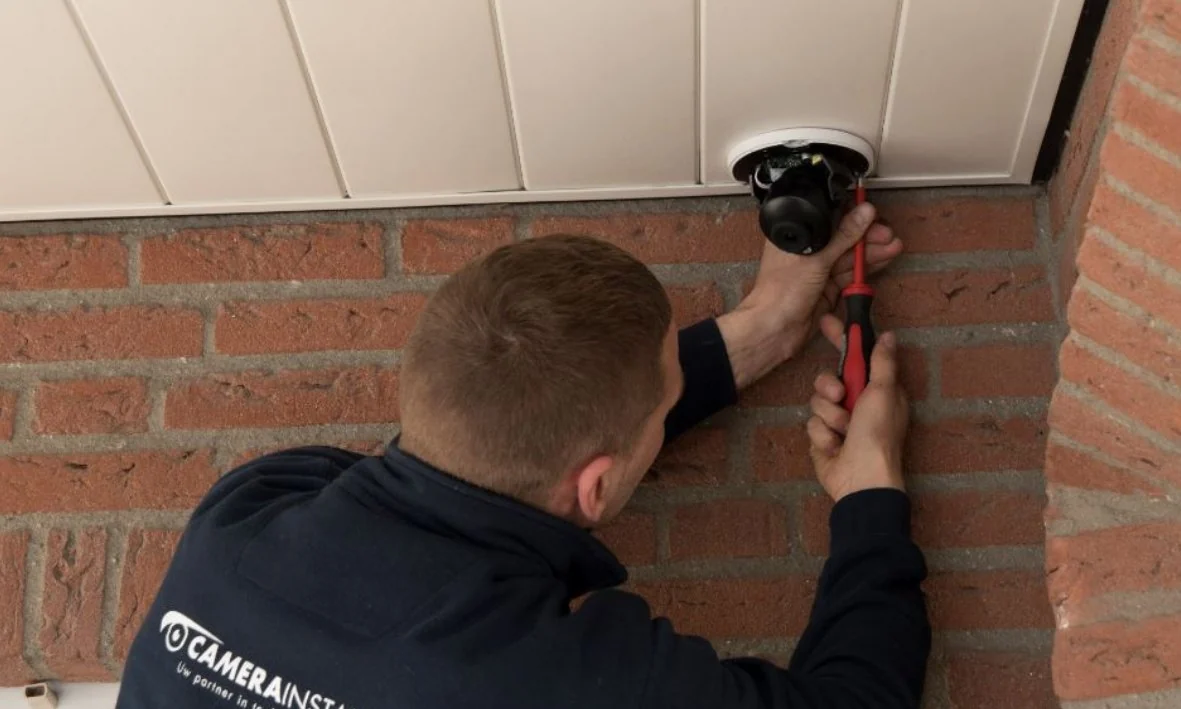
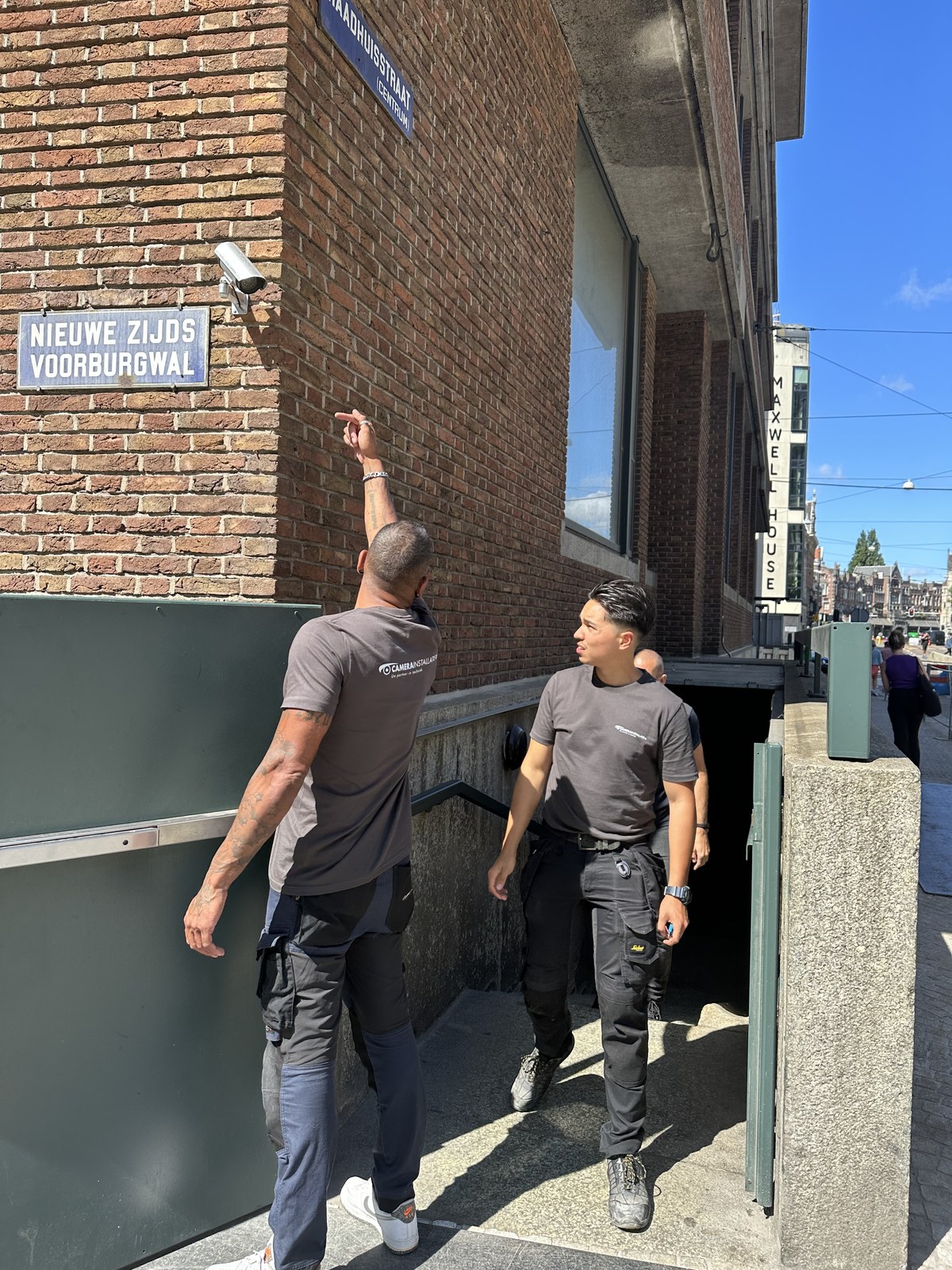
Used to working for international companies in the Netherlands
Setting up a home or a business in a new country is enough work already. We are used to clients from abroad, we speak English, and we take the whole technical setup off your hands so you have one team to call. Our clients have come from all over the world.
Why you can let us in with confidence
We are not a one-off contractor. We are a recognised security company with the certifications and partnerships to back it up.
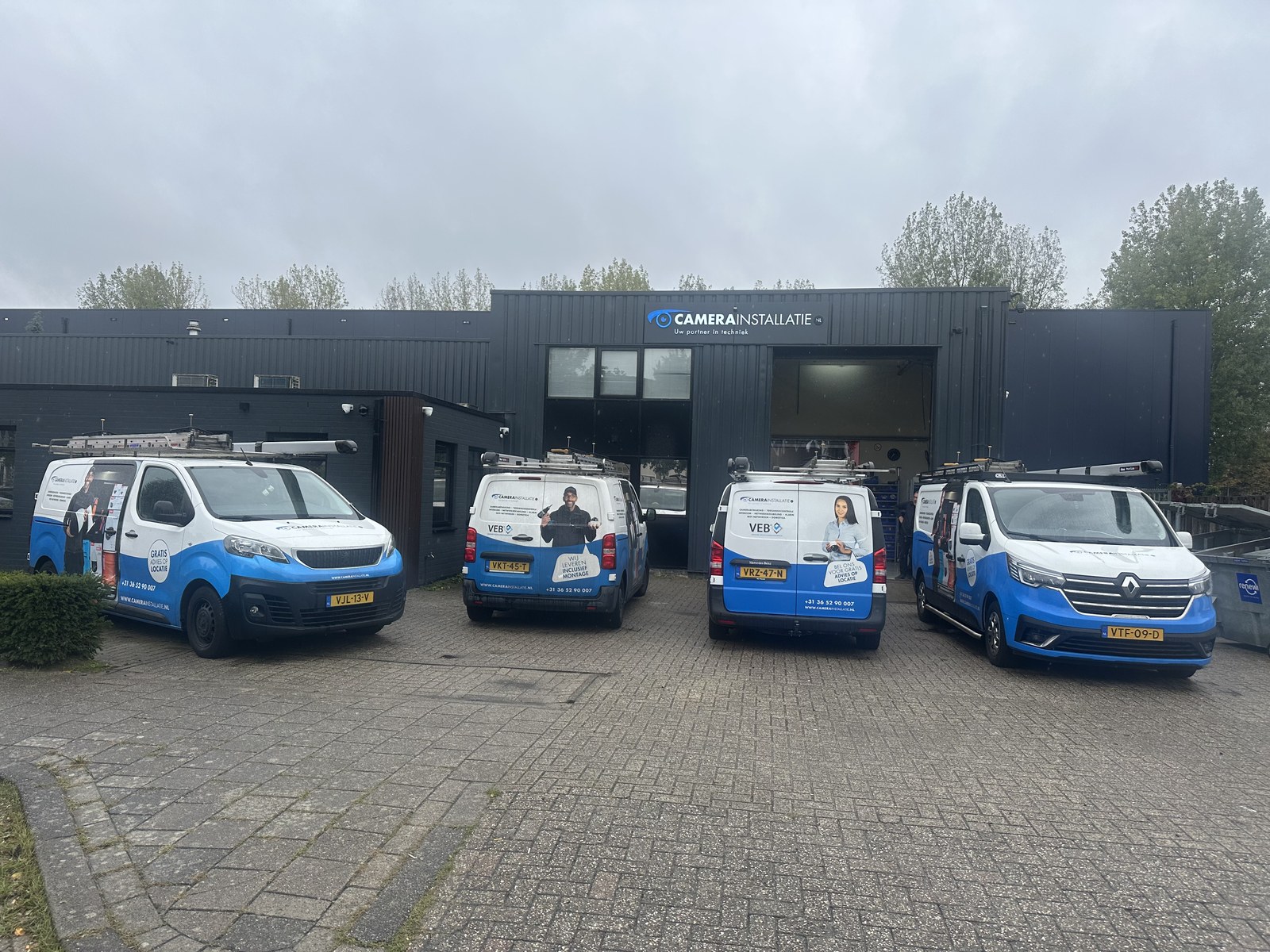
Since 1999, and still hands-on
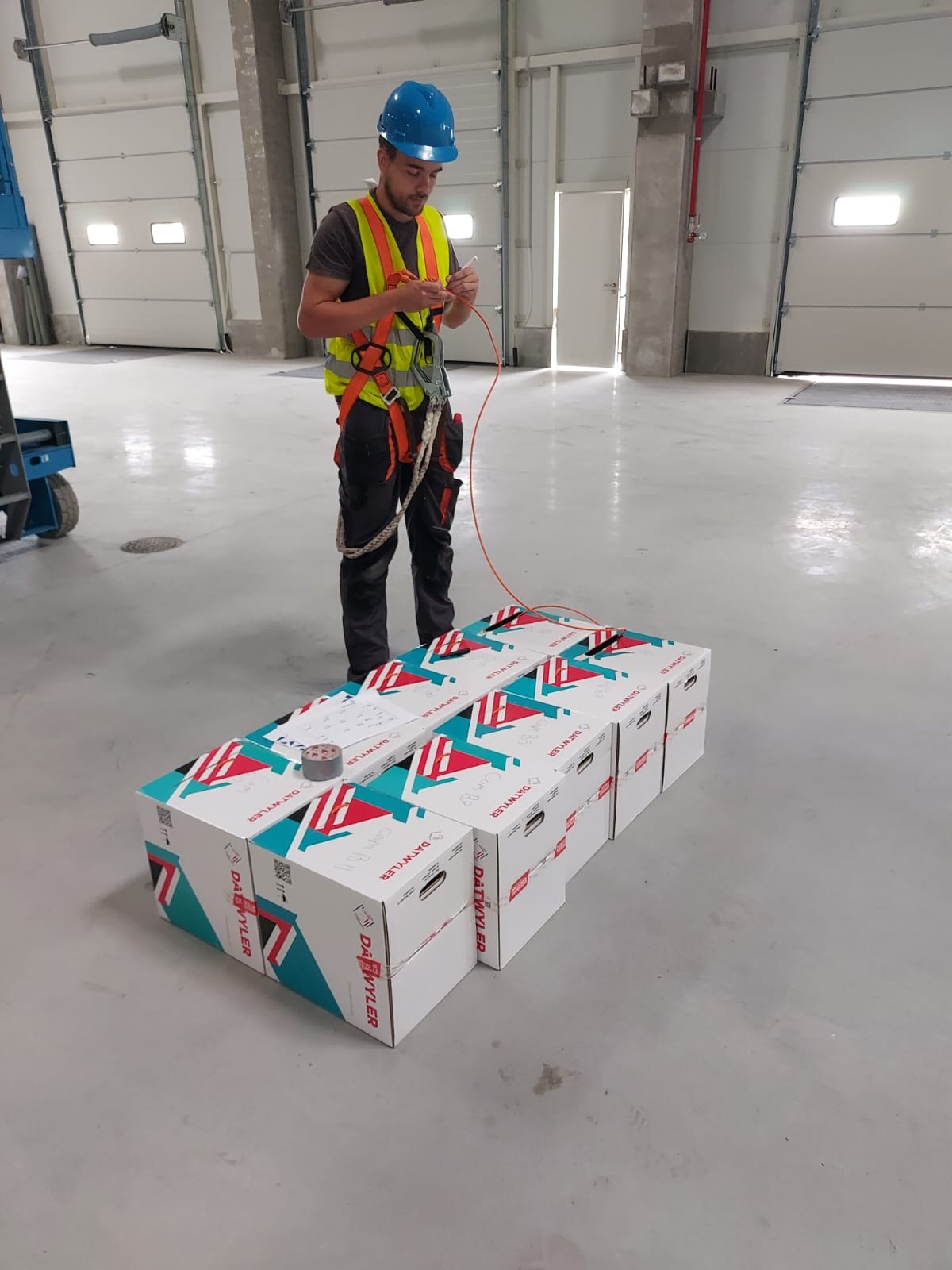
We started installing security in 1999, and we never stopped caring about the details. Today we complete around 2,000 installations a year, and we still do the work with our own engineers, not subcontractors. The person who advises you is part of the same team that shows up at your door.
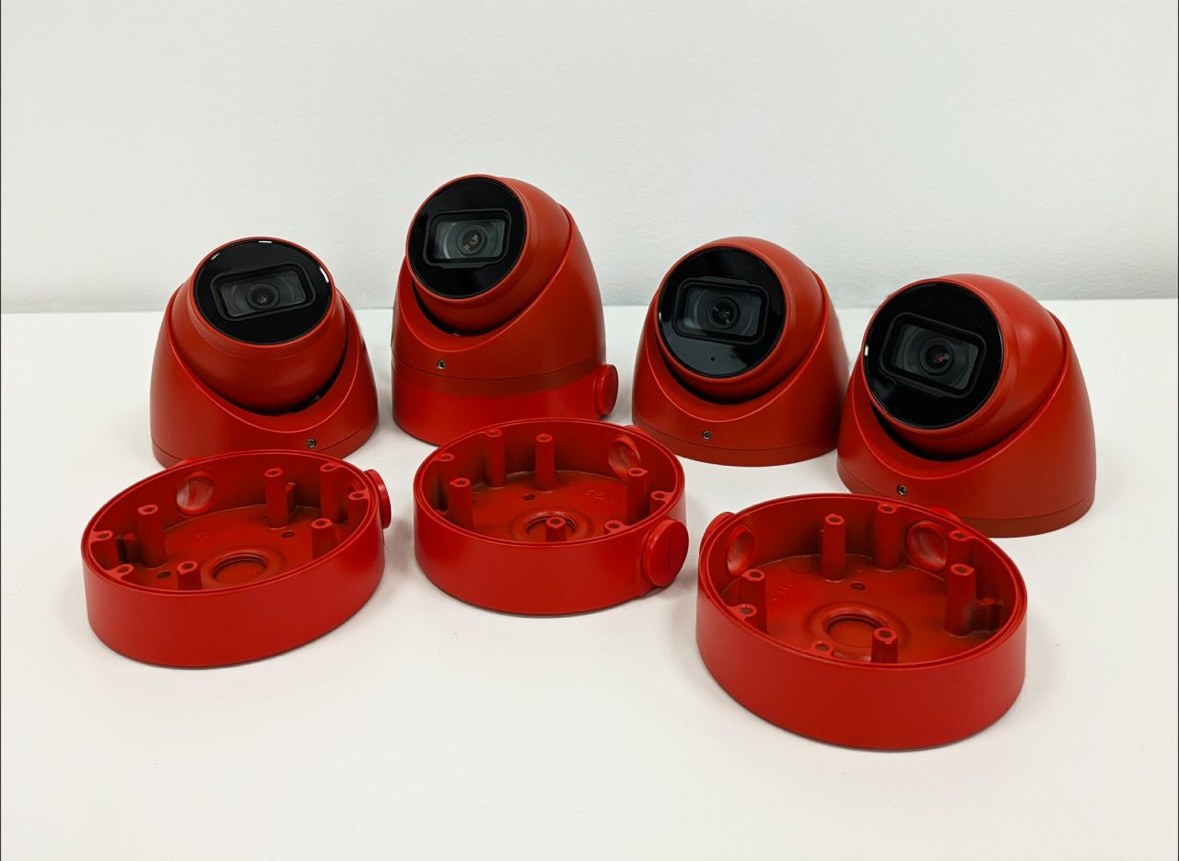
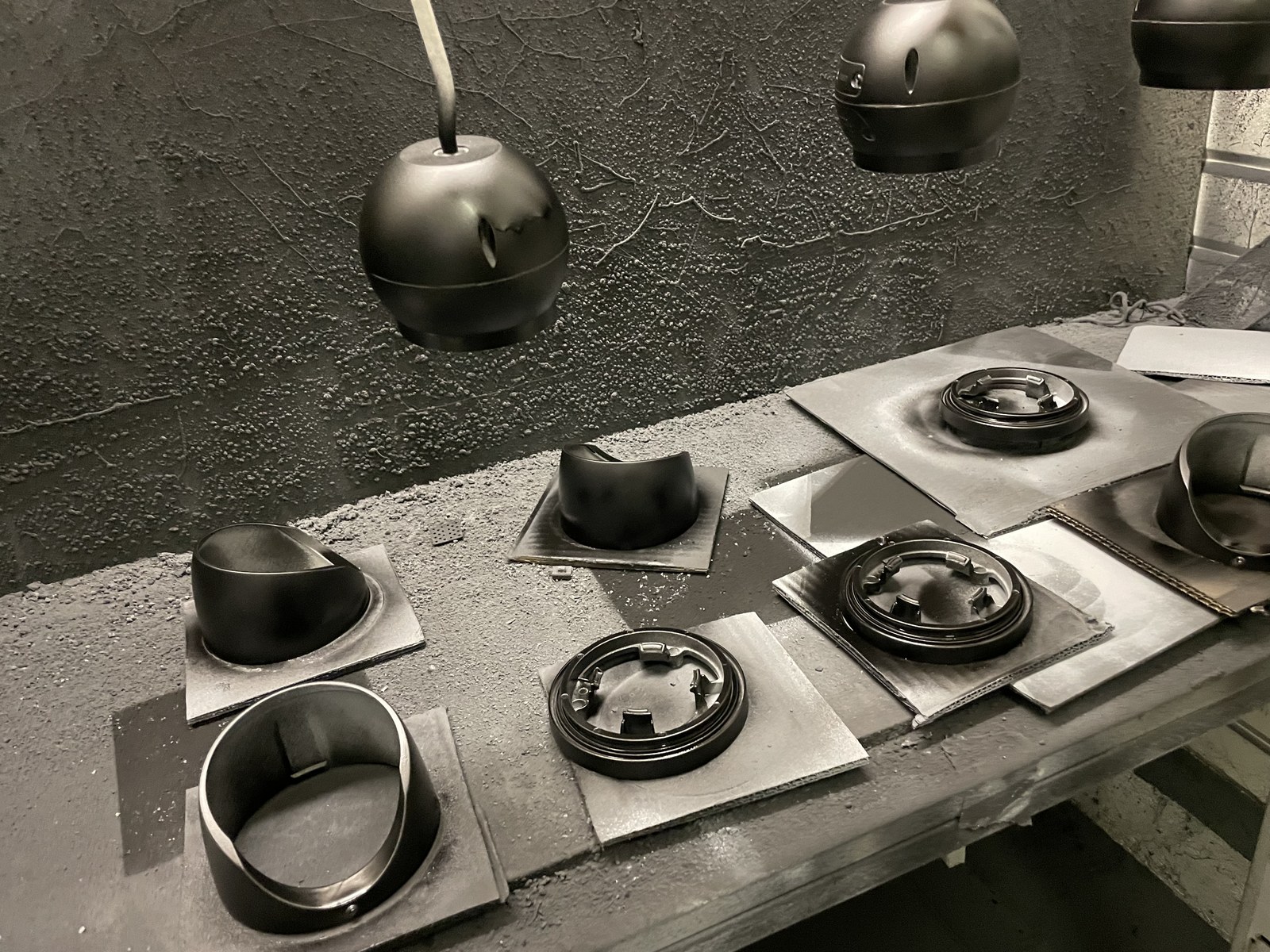
That matters, because a camera on a wall is easy; a system that genuinely protects you is a craft. We buy quality materials, we finish cabling so you never see it, and when the standard product will not do, we spray cameras to colour in our own spray booth. Little of that shows on the invoice, but all of it shows in the result.
And we keep everything under one roof: cameras, alarm, video intercom, WiFi, network and, when needed, electrical work. One team that understands how it all fits together, and stays reachable long after handover.
 Watch: meet Eline
Meet Eline, your adviser
Eline is one of the people you are likely to speak to first. She listens before she advises, in clear English, and she is honest: sometimes the best answer is fewer cameras in smarter places, or fixing the network before anything else. Watch her short introduction, it plays right here on the page.
What we can deliver for you is the complete technical setup, from one point of contact:
- Cameras, alarm, video intercom, WiFi, network and electrical, all from one team
- Advice, installation, documentation and a helpdesk, all in English
- Our own engineers, quality materials, and custom work when you need it
- A fixed all-in price, no subscription, and your footage stays yours
Camera law questions
Can I put a camera on my house that sees the street?
You should keep public space to a minimum. A camera that structurally films the street or a neighbour’s property brings the GDPR into play. We aim and mask cameras so they cover your property and little else.
Do I need signs if I have cameras at home?
For purely personal home use, signage is not generally required, though it can help. For a business, clear signage that cameras are in use is required.
What are the rules for a business?
You need a legitimate purpose, clear signage, no more filming than necessary, responsible retention, and a way to handle requests from people about footage of themselves.
How long can I keep footage?
Only as long as you reasonably need it. We set a sensible retention period on your recorder so footage is not kept indefinitely.
Is my footage private if it is stored locally?
Local storage keeps your footage on your own recorder rather than a third party’s cloud, which helps with control and privacy. See our page on cameras without a subscription.
Keep exploring
Everything on the English side of our site is linked, so you can jump straight to what fits you.
Tell us what you want to achieve
Call, email or book a free advice call. We think along with you, in English, whether it is a home or a business, in the Netherlands and beyond.